

Your treadmill is probably collecting dust right now. You bought it with the best intentions. But now it sits there like an expensive clothes rack.
Sound familiar? You're not alone.
Here's the thing, though. Treadmills aren't the problem. We've just been using them wrong.
What if I told you there's a simple countdown method that transforms your treadmill sessions from mind-numbing slogs into engaging, results-driven workouts?
The 5-4-3-2-1 treadmill running method isn't just another fitness fad – it's a game-changing approach that makes every minute count while keeping your mind engaged.
The method is beautifully simple. New to running? It works. Already fit? It still works. Your basic treadmill becomes a transformation tool. No fancy gadgets needed. No complicated apps required.
Whether you have a premium running machine or a simple walking pad, this method adapts. It meets you exactly where you are right now.
Ready to fall back in love with your running machine?
The best part? You don't need any fancy equipment beyond what you already have. Your basic running machine, whether it's a high-end model or a simple walking pad, becomes a powerful tool for transformation.
Limited-Time FITLAB Offer | Save 15% Until 15 October 2026Ready to put your treadmill workouts into practice? For a limited time, FITLAB products are 15% off until 15 October 2026. That makes this a good time to upgrade your home gym, add a commercial treadmill to your training space, or replace an older running machine with equipment built for more demanding workouts. Shop FITLAB treadmills and fitness equipment before the offer ends. |
What is the 5-4-3-2-1 Method on a Treadmill?
The 5-4-3-2-1 treadmill method is a countdown-style workout that involves five distinct phases, each decreasing in duration. This training approach combines different intensity levels and speeds to keep your body challenged throughout the session. The method typically involves running or walking for 5 minutes, then 4 minutes, followed by 3 minutes, 2 minutes, and finally 1 minute, with specific speed or incline adjustments between each interval.
The beauty of this method lies in its flexibility. You can adapt the intensity based on your fitness level, making it suitable for anyone from beginners using a walking pad to advanced runners training on a high-end treadmill. The countdown structure provides psychological benefits too, as each segment feels shorter than the last, helping maintain motivation throughout the workout.
Best Treadmill Workout for Weight Loss
When it comes to weight loss, the 5-4-3-2-1 method stands out as an effective approach because it combines steady-state cardio with interval training. This combination helps boost your metabolism both during and after your workout, leading to increased calorie burn.
For optimal weight loss results, structure your 5-4-3-2-1 workout as follows:
|
Segment |
Duration |
Intensity Level |
What It Should Feel Like |
|
5 minutes |
5 min |
Moderate (60-65% max HR) |
Comfortable conversation pace, warming up muscles |
|
Recovery |
30-60 sec |
Easy |
Catch your breath, prepare for next segment |
|
4 minutes |
4 min |
Moderate-Hard (65-70% max HR) |
Slightly challenging, still comfortable |
|
Recovery |
30-60 sec |
Easy |
Brief rest, maintain movement |
|
3 minutes |
3 min |
Hard (70-75% max HR) |
Challenging pace, deeper breathing |
|
Recovery |
30-60 sec |
Easy |
Quick recovery, prepare for intensity |
|
2 minutes |
2 min |
Very Hard (75-80% max HR) |
High intensity, conversation difficult |
|
Recovery |
30-60 sec |
Easy |
Final recovery before sprint |
|
1 minute |
1 min |
Maximum (80-85% max HR) |
All-out effort, sprint finish |
This structured approach ensures you're progressively challenging your body while maintaining proper recovery between intense segments.
Fat Loss vs Weight Loss: Which Matters More Long-Term?
Here's something the fitness industry doesn't always explain clearly: the number on your bathroom scales doesn't tell the whole story. Weight loss includes everything - water, muscle, fat, even the contents of your digestive system. Fat loss, on the other hand, specifically targets the adipose tissue you actually want to lose while preserving the lean muscle that makes you look toned and feel strong.
The 5-4-3-2-1 method is particularly effective for fat loss because of something called excess post-exercise oxygen consumption (EPOC) - essentially, your body continues burning calories at an elevated rate for hours after your workout ends. This "afterburn effect" is much stronger after interval training than steady-state cardio.
Think of it this way: steady-state cardio is like a candle that burns consistently but goes out immediately when you stop. Interval training like the 5-4-3-2-1 method is like lighting a fire that continues to smolder long after you've stopped adding fuel. Your metabolism stays elevated, continuing to burn fat while you're showering, eating lunch, or even sleeping.
The real key to long-term success isn't perfect intensity in every session - it's consistency.
Your body adapts to whatever you do regularly, so showing up 3-4 times per week with moderate effort beats sporadic high-intensity sessions that leave you burnt out and skipping workouts.
Interval Treadmill Workout Structure
Interval training forms the backbone of effective treadmill workouts, and the 5-4-3-2-1 method is essentially a structured interval approach. The key to successful interval training lies in the contrast between work and recovery periods.
A typical 5-4-3-2-1 interval structure follows this pattern:
|
Phase |
Duration |
Intensity |
Heart Rate Zone |
Speed/Effort |
|
Warm-up |
5 min |
Easy |
50-60% max HR |
Comfortable walking/light jogging |
|
Interval 1 |
5 min |
Moderate |
65-70% max HR |
Steady running pace |
|
Recovery |
1 min |
Easy |
50-60% max HR |
Treadmill Walk |
|
Interval 2 |
4 min |
Moderate-Hard |
70-75% max HR |
Comfortably hard pace |
|
Recovery |
1 min |
Easy |
50-60% max HR |
Active recovery |
|
Interval 3 |
3 min |
Hard |
75-80% max HR |
Challenging but controlled |
|
Recovery |
1 min |
Easy |
50-60% max HR |
Prepare for final push |
|
Interval 4 |
2 min |
Very Hard |
80-85% max HR |
High intensity effort |
|
Recovery |
1 min |
Easy |
50-60% max HR |
Brief sret before sprint |
|
Interval 5 |
1 min |
Maximum |
85-90% max HR |
All-out sprint effort |
|
Cool-down |
5 min |
Easy |
50-60% max HR |
Gradual return to rest |
This structure creates progressive overload while maintaining the psychological benefit of countdown training, making each segment feel more manageable than a continuous high-intensity effort.
5-4-3-2-1 Marathon Workout Adaptation
Marathon runners can adapt the 5-4-3-2-1 method to build race-specific fitness. Instead of focusing solely on speed, marathon training versions emphasise time at race pace and threshold running.
For marathon preparation, modify the workout with these pace targets:
|
Segment |
Duration |
Pace Target |
Effort Level |
Purpose |
|
5 minutes |
5 min |
Easy pace (60-90 sec slower than goal marathon pace) |
Conversational |
Aerobic base building |
|
4 minutes |
4 min |
Marathon pace |
Comfortably hard |
Race pace practice |
|
3 minutes |
3 min |
Half marathon pace (15-20 sec/km faster than marathon) |
Challenging |
Lactate threshold |
|
2 minutes |
2 min |
10K pace |
Hard but controlled |
VO2 max development |
|
1 minute |
1 min |
5K pace or faster |
Near maximum |
Neuromuscular power |
Between each segment, include 60-90 seconds of easy jogging to simulate race conditions where you might need to recover while still moving forward.
This adaptation helps marathon runners practice different paces while building the mental toughness needed for race day. The countdown structure mimics the psychological relief runners feel as they approach the finish line.
Complete Treadmill Workout Plan
Here's a weekly structure that prevents boredom and continues challenging your body:
|
Day |
Workout Type |
Focus |
Duration |
|
Monday |
Classic 5-4-3-2-1 Speed Intervals |
Speed development |
30-35 min |
|
Tuesday |
Easy Recovery Run |
Active recovery |
20-30 min |
|
Wednesday |
5-4-3-2-1 Incline Workout |
Hill strength |
30-35 min |
|
Thursday |
Rest or Light Cross-training |
Recovery |
20-30 min |
|
Friday |
5-4-3-2-1 Mixed Workout |
Speed + incline |
35-40 min |
|
Saturday |
Long Steady Run |
Endurance base |
40-60 min |
|
Sunday |
Complete Rest |
Full recovery |
- |
This balanced approach ensures you're getting variety while allowing proper recovery between intense sessions. Remember, your body adapts during rest, not just during exercise.
Treadmill Workout Benefits
The benefits of regular treadmill workouts extend far beyond simple weight loss. Treadmill training offers consistent conditions regardless of weather, making it easier to maintain a regular exercise routine. The controlled environment allows for precise monitoring of pace, distance, and heart rate.
Treadmill workouts provide excellent cardiovascular benefits, strengthening your heart and improving circulation. Regular use can lower blood pressure, reduce cholesterol levels, and decrease the risk of heart disease. The impact of running also helps maintain bone density, particularly important as we age.
Mental health benefits are equally significant. The endorphins released during treadmill workouts can improve mood and reduce stress. The structured nature of methods like 5-4-3-2-1 using treadmill provides a sense of accomplishment and goal achievement that boosts confidence and motivation.
Treadmill with Incline Training
Incorporating incline into your 5-4-3-2-1 workouts adds another dimension to your training. Incline work targets different muscle groups, particularly the glutes and hamstrings, while also increasing calorie burn without the need for higher speeds.
When using incline in your 5-4-3-2-1 method, follow this progression:
|
Segment |
Duration |
Incline % |
Speed Adjustment |
Focus Points |
|
5 minutes |
5 min |
1-2% |
Maintain comfortable pace |
Warm up posterior chain |
|
4 minutes |
4 min |
3-4% |
Slight speed reduction |
Engage glutes and hamstrings |
|
3 minutes |
3 min |
5-6% |
Focus on form over speed |
Shorter stride, pump arms |
|
2 minutes |
2 min |
7-8% |
Power hiking if needed |
Maintain effort, not speed |
|
1 minute |
1 min |
9-10% |
Maximum sustainable effort |
All-out hill sprint |
Pro Tips for Incline Training:
-
Lean slightly forward from your ankles, not your waist
-
Take shorter, quicker steps rather than overstriding
-
Use your arms more actively to help propulsion
-
Don't hold onto the handrails - it reduces the training effect
Incline training particularly benefits those preparing for outdoor races with hills or those looking to add variety without increasing impact stress on joints. It's also fantastic for building posterior chain strength, which many runners lack from too much flat running.
Getting Prepared for Your Next Running Event
Australia's premier running events are approaching fast, with the 2025 Australian Cross Country Championships scheduled for August in Ballarat as part of the Chemist Warehouse Winter Series. This championship features comprehensive age groups from U11 through to Masters level, welcoming both recreational and competitive runners. The event also incorporates the Oceania Championships and UniSport Australia Championships, making it a significant date on the athletics calendar.
Whether you're targeting these national championships, your local cross country season, or simply want to improve your running fitness, the 5-4-3-2-1 method provides ideal preparation. Cross country demands both endurance and the ability to surge during races - exactly what this interval method develops. The countdown structure mimics race tactics where you need to respond to different pace changes throughout the event, while building the mental toughness required to push through challenging terrain and weather conditions that define cross country running.
Choosing the Right Equipment
Success with the 5-4-3-2-1 method depends partly on having appropriate cardio equipment. When shopping for a treadmill for sale, consider features that support interval training. Look for models with quick speed and incline adjustment buttons, preset workout programs, and heart rate monitoring capabilities.
For those with limited space, a walking pad might be suitable for the lower-intensity portions of the workout, though a full-sized running machine offers more versatility for high-intensity intervals. The best commercial treadmill for your needs depends on your budget, available space, and fitness goals.
Australian consumers should look for models that handle the voltage requirements and come with local warranty support. Many retailers across Australia offer excellent options for both budget-conscious buyers either if you’re buying for a commercial or home gym and those seeking premium features.
The 5-4-3-2-1 method involves changes in speed, intensity and, in some versions, incline. That means your treadmill needs to do more than provide a moving belt.
For regular interval training, pay attention to the treadmill's speed range, incline range, running surface, motor output, user weight capacity and how quickly you can adjust the settings.
A treadmill with quick-access speed and incline controls can make interval training easier because you can change intensity without interrupting your workout.
For home users, the right choice depends on how often you run, the space available and whether you mainly walk, jog or sprint. For gyms and other high-use facilities, commercial construction, motor performance and warranty support become more important.
Here are some options from Elite Fitness worth considering.
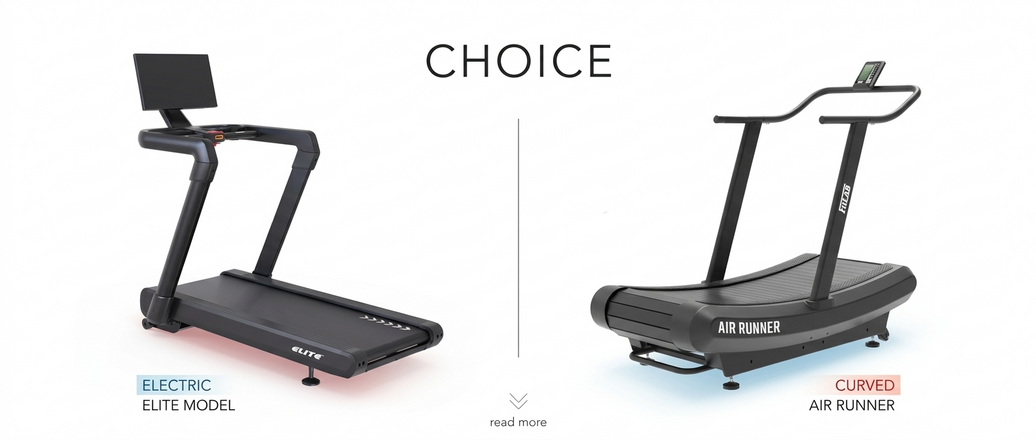
Elite Treadmill
The Elite Treadmill is suited to users who want a capable treadmill for regular cardio, running and interval sessions at home or in a training environment.
It is also featured in Elite Fitness' current commercial treadmill content, where the machine is positioned around features relevant to interval workouts, including programmed training options and direct workout controls.
Best suited to: Regular running, interval workouts and users wanting a more capable treadmill setup.
FITLAB Sprint 500
The FITLAB Sprint 500 is built for users who want more room and power for demanding running sessions. It has a 7.0HP peak motor, a 205kg maximum user capacity, speeds up to 20km/h and a 0 to 15% incline range. Its 1500mm x 550mm running area gives runners plenty of room for longer strides.
That combination makes it particularly relevant for interval sessions where you move between steady running, harder efforts and incline work.
Best suited to: Serious home users, runners, interval training and commercial-style workouts.
FITLAB Air Runner
If you want a different type of running experience, the FITLAB Air Runner manual treadmill uses a curved, non-motorised running surface. Your stride controls the movement of the belt, so the workout feels different from running on a conventional motorised treadmill.
The Air Runner has a listed maximum user capacity of 158kg and weighs 171kg.
It can be particularly interesting for runners who want to focus on self-powered running, stride control and higher-effort sessions.
Best suited to: Athletic training, self-powered running and users who want an alternative to a motorised treadmill.
Spirit Commercial CT800+
For gyms, studios and other facilities with frequent treadmill use, the Spirit Commercial CT800+ is built around commercial requirements.
It features a 3.0HP AC drive motor, a 560mm x 1525mm running surface, speeds from 0.8 to 20km/h and 15 incline levels. It also includes direct-access speed and incline controls, interval and HIIT programmes, and a maximum user weight of 205kg.
Best suited to: Commercial gyms, training studios and high-use fitness facilities.
Shop Spirit Commercial CT800+ →
BodyworX Challenger 3.0hp Treadmill
For home users who want a strong mix of speed, incline and convenience features, the BodyworX Challenger 3.0hp Treadmill offers speeds up to 22km/h and 15 incline levels.
It has a 52cm x 152cm running area, 150kg maximum user weight, quick-access speed and incline controls and 15 preset programmes plus HRC programmes.
Best suited to: Home running, walking, HIIT and incline workouts.
Which Treadmill Should You Choose?
Think about how you will actually train.
| Your training needs | Treadmill to consider |
|---|---|
| Regular home running and intervals | Elite Treadmill |
| Higher-performance running and incline intervals | FITLAB Sprint 500 |
| Self-powered running and athletic training | FITLAB Air Runner |
| High-use commercial gym training | Spirit Commercial CT800+ |
| Home HIIT, running and incline workouts | BodyworX Challenger 3.0hp |
The important point is not simply choosing the treadmill with the biggest motor or highest price. Match the machine to your running style, frequency of use, available space and training requirements.
What Should You Look for in a Treadmill for Interval Training?
If you are buying a treadmill specifically for running intervals, don't judge it on motor horsepower alone.
Speed range
A treadmill should give you enough speed headroom for your current fitness level and future progression. If your workout includes running and sprint intervals, check the maximum speed before buying.
Incline range
Incline adds another way to increase workout intensity without simply running faster. The FITLAB Sprint 500, for example, provides a 0 to 15% incline range, while the Spirit Commercial CT800+ provides 15 incline levels.
Running surface
A wider and longer running deck can be more comfortable for runners, particularly at higher speeds. The Sprint 500 has a 1500mm x 550mm running area, while the CT800+ has a 1525mm x 560mm belt.
Quick speed and incline controls
This matters during interval training. You don't want to spend half the recovery period searching through menus to change the speed.
Cushioning
If you run regularly, consider the treadmill's deck and cushioning system. A suitable running surface can make repeated sessions more comfortable.
User weight capacity
Check the manufacturer's maximum user weight and allow a sensible margin rather than buying purely around your current weight.
Commercial or home use
A home treadmill and a commercial treadmill serve different purposes. A gym treadmill needs to cope with repeated users and longer operating hours, while a home treadmill may be selected around space, running frequency, features and budget.
Elite Fitness currently lists dedicated commercial treadmills for gyms, studios, hotels and corporate fitness facilities.
Conclusion
The 5-4-3-2-1 treadmill running workout method offers a structured, efficient approach to indoor training that suits runners of all levels. Its countdown structure provides psychological benefits while delivering effective physical training that supports weight loss, improves cardiovascular health, and builds running endurance.
Whether you're a beginner looking to establish a consistent exercise routine or an experienced runner seeking to add variety to your training, this method adapts to your needs. The combination of varying intensities, flexible structure, and measurable progress makes it a valuable addition to any fitness program.
Remember that consistency trumps perfection in any interval training program. Start with intensities that challenge you appropriately, and gradually progress as your fitness improves. With dedication and proper application of the 5-4-3-2-1 method, you'll find yourself stronger, fitter, and more confident in your running abilities.
Leave a comment