

Summer Cardio for Weight Loss
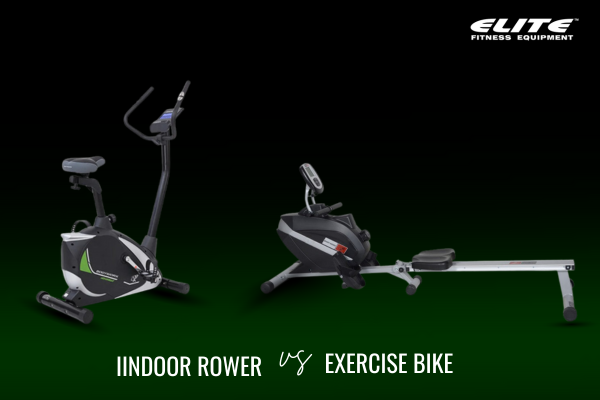
Indoor rowing machines and exercise bikes remain two of the most used cardio options in modern gyms. Both support weight loss by increasing daily calorie burn, improving cardiovascular endurance, and helping users stay consistent during warmer months. The key difference lies in how they train the body. An indoor rower activates both upper and lower muscle groups through a coordinated pulling motion, while a stationary bike concentrates on leg strength with controlled, repetitive movement.
For weight loss, the right choice depends on workout intensity, joint comfort, time availability, and overall fitness level. Some people benefit from the full-body demand of rowing, while others achieve better results with the steady pace and low-impact nature of cycling. This guide explains how each cardio gym machine performs in gym workouts during summer and which option aligns better with specific fat loss goals.
How Weight Loss Works with Cardio Machines?
Calorie deficit drives fat loss
-
Weight loss happens when the body burns more calories than it takes in
-
Cardio machines increase energy use during workouts, helping create this deficit
-
Consistent sessions matter more than occasional high-effort workouts
Consistency supports long-term results
-
Regular cardio improves metabolism and endurance
-
Short, frequent workouts are often more effective than irregular long sessions
-
Sustainable routines reduce drop-off during summer training
Heart rate zones influence calorie burn
-
Moderate heart rate zones support longer workouts and steady fat usage
-
Higher heart rate zones increase overall calorie burn in less time
-
Adjustable resistance and pace help maintain target zones
Machine choice affects workout efficiency
-
Full-body machines generally burn more calories per session
-
Low-impact machines allow longer, joint-friendly workouts
-
Selecting the right gym equipment improves comfort, intensity control, and adherence

Indoor Rower
How an Indoor Rower Trains the Body
An indoor rower trains the body through a coordinated, full-body movement that combines strength and cardio in one continuous action. Each stroke starts with leg drive, transfers power through the core, and finishes with an upper-body pull. This sequence makes rowing one of the few cardio machines that activate multiple muscle groups at the same time.
The push-pull movement pattern improves coordination and muscle endurance while keeping the workout fluid and controlled. Because power generation begins in the lower body and finishes through the arms and shoulders, the effort is evenly distributed rather than isolated to one area.
Key muscle groups involved include:
-
Quadriceps, hamstrings, and glutes for power and drive
-
Lat muscles, shoulders, and arms for pulling strength
-
Core and lower back muscles for posture and stability
Calorie Burn on an Indoor Rower
Indoor rowing supports high calorie expenditure due to its full-body engagement and adjustable intensity. On average, a 30-minute rowing session can burn between 250 and 400 calories, depending on body weight, stroke rate, and resistance setting.
Indoor rowers are especially useful for high-intensity sessions because they elevate heart rate quickly without requiring long workout durations.
Benefits of Using a Rower in Summer
During warmer months, gym users often prefer workouts that deliver results without long training times. Indoor rowing fits this need by offering intense sessions that challenge the entire body in a short window.
Main benefits include:
-
Short, high-effort workouts that fit busy schedules
-
Full-body sweat output due to large muscle involvement
-
Time-efficient training for calorie burn and conditioning
Best Indoor Rowing Machines (Top Picks):
BodyWorx KR6000PROBT Programmable Rower with Bluetooth
Exercise Bike
How a Stationary Bike Works the Body
A stationary exercise bike targets the lower body through a controlled pedalling motion that keeps joints supported while maintaining cardiovascular demand. The primary workload falls on the quadriceps, hamstrings, and glutes, making cycling effective for building leg endurance and strength without excessive strain.
Different bike styles change how the workout feels. Upright bikes promote a more relaxed riding position and suit steady-paced cardio, while spin bikes encourage a forward-leaning posture that supports higher intensity sessions and standing climbs. Despite these differences, both options follow a steady, repetitive movement pattern that helps users maintain rhythm and workout consistency.
Calorie Burn on an Exercise Bike
Exercise bikes support moderate to high calorie burn depending on resistance and pedalling speed. On average, a 30-minute session can burn between 200 and 350 calories, with output increasing as resistance levels and cadence rise.
Because cycling is comfortable and stable, exercise bikes are well suited for longer sessions that support steady fat loss and cardiovascular conditioning.
Benefits of Using an Exercise Bike in Summer
Exercise bikes remain a popular summer cardio choice due to their joint-friendly design and ease of use. They allow users to train consistently even when heat and fatigue become factors.
Key benefits include:
-
Low-impact movement that reduces stress on knees and ankles
-
Comfortable seating and posture for extended workouts
-
Suitable for beginners, older adults, and recovery-focused training days
Best Stationary Bikes (Top Picks):
Bodyworx ABX295AT (50% OFF CLEARANCE)
Fitlab Cycle 500
SPIRIT XBR25 RECUMBENT BIKE 2024 MODEL
Fitlab Recline 500
Indoor Rower vs Exercise Bike
|
Factor |
Indoor Rower |
Exercise Bike |
|
Calorie burn potential |
Higher calorie output due to full-body effort |
Moderate calorie burn that increases with resistance and duration |
|
Muscle engagement |
Uses legs, arms, shoulders, back, and core together |
Primarily targets quads, hamstrings, and glutes |
|
Impact on joints |
Low-impact but requires controlled technique |
Very low-impact and joint-friendly |
|
Learning curve |
Requires time to learn proper stroke sequence |
Easy to use with minimal instruction |
|
Workout duration efficiency |
Effective for short, high-intensity sessions |
Better suited for longer, steady workouts |
|
Best for |
Fast fat loss and time-efficient training |
Consistency, endurance, and recovery-focused cardio |
Summer Gym Workout Tips Using Cardio Machines
Training during summer requires small adjustments to maintain performance and safety. Staying hydrated before and after workouts helps regulate body temperature and reduces fatigue. Water intake should begin before training rather than waiting until thirst sets in.
Session length should match intensity. Short, higher-effort workouts work well on rowers, while moderate-paced cycling can extend longer without overloading the body. Listening to fatigue signals is key during warmer conditions.
Combining cardio with strength training improves overall results. Strength sessions increase muscle mass, which supports higher calorie burn even outside the gym. Alternating cardio and strength days also reduces overuse strain.
A balanced weekly routine supports progress:
-
Two to three cardio-focused sessions
-
Two to three strength-based workouts
-
At least one lighter recovery day
Both indoor rowers and exercise bikes support weight loss when used consistently and with appropriate intensity. The indoor rower suits users aiming for faster fat loss through short, demanding workouts, while the exercise bike supports long-term cardio habits with lower joint stress.
Most gyms include both machines because they serve different training needs. Alternating between rowing and cycling improves muscle balance, reduces boredom, and helps maintain consistent calorie burn. Using both machines across the week often delivers better results than relying on just one.
Frequently Asked Questions
Which burns more calories, an indoor rower or an exercise bike?
An indoor rower generally burns more calories because it activates both upper and lower body muscles at the same time. Exercise bikes burn fewer calories per minute but support longer sessions.
Is an exercise bike better for beginners?
Yes. Exercise bikes are easier to use, require minimal technique, and place less stress on joints, making them suitable for beginners and recovery workouts.
Can rowing help with belly fat loss?
Rowing supports overall fat loss by increasing calorie expenditure and heart rate. Like all cardio, fat loss occurs across the body rather than in one specific area.
How long should a cardio session be for weight loss?
Indoor rowing sessions can be effective in 20 to 30 minutes at higher intensity. Exercise bike workouts often last 30 to 45 minutes at moderate intensity.
Are indoor rowers safe for joint health?
Yes, indoor rowers are low-impact. Proper posture and controlled movement are important to protect the lower back and maintain joint safety.



Leave a comment