

EOFY Guide to Commercial Equipment Tax Deductions for Australian Gym Owners
End of Financial Year (EOFY) is more than just a deadline for accounts. For gym owners, it is a practical opportunity to improve cash flow, upgrade facilities, and attract more members.
If planned properly, investing in commercial gym equipment for sale can reduce your tax liability while strengthening your business offering. It is not simply a deadline but an opportunity to reshape your facility, reduce your tax liability, and give your members a reason to stay.
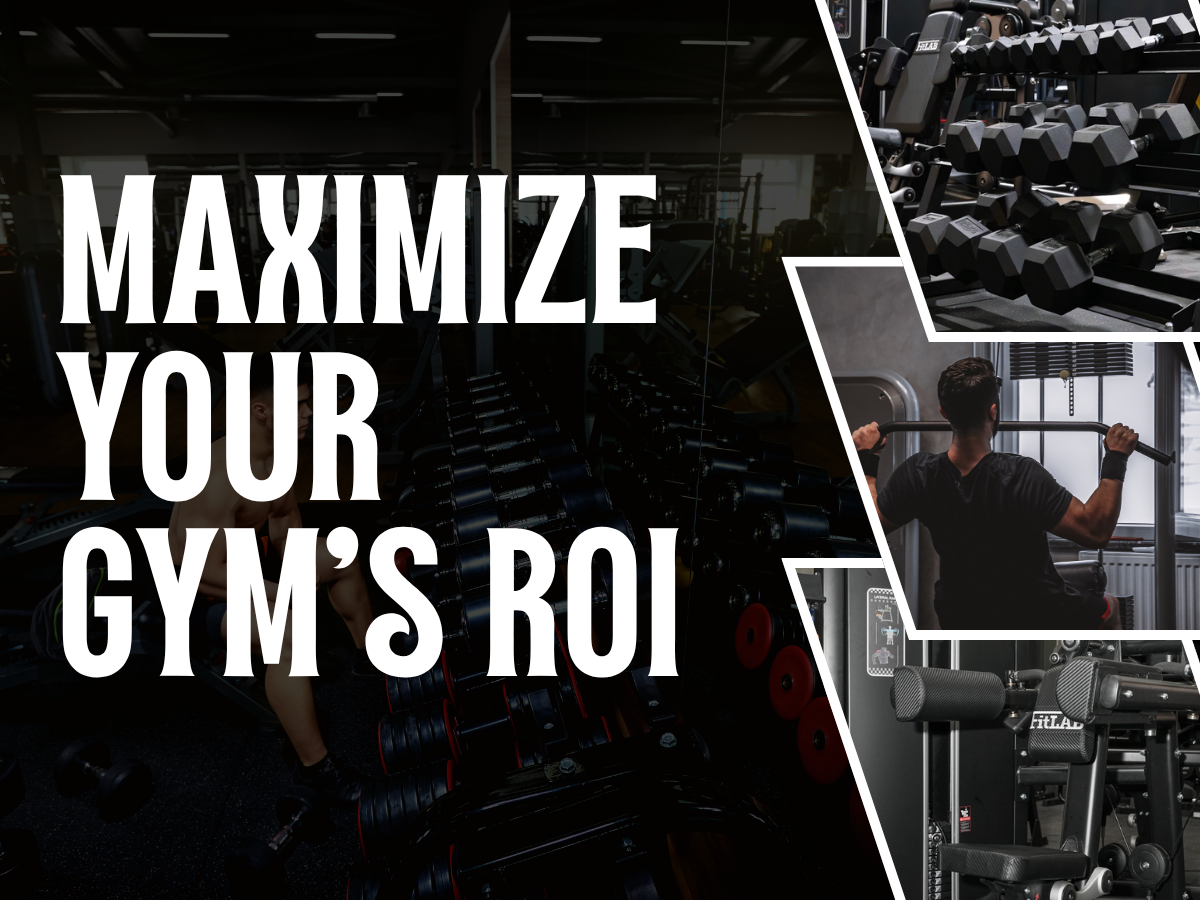
From Purchase to Profit: Building a ROI Plan
To make a good return, align your equipment investment with business goals.
Step-by-step approach:
-
Audit your current gym setup: Identify outdated or underused equipment
-
Understand your members: Focus on what they actually use
-
Plan your layout: Improve gym floor plan that brings flow and space efficiency
-
Promote your upgrade: Use social media and in-gym signage
-
Track results: Monitor retention, sign-ups, and membership renewals
When done correctly, equipment upgrades can pay for themselves through increased membership and engagement.
This guide is written specifically for commercial gym owners, boutique fitness studio operators, and allied health facility managers across Australia.
Here, we will walk you through the Instant Asset Write-Off scheme as it stands for the 2025–26 financial year, explain how investing in commercial gym equipment for sale translates into a genuine return on investment, and show you why upgrading your facility now, rather than waiting, is a strategically good decision.
Disclaimer: This article is for general informational purposes only. It does not constitute financial, tax, or legal advice. Always consult a registered tax agent or accountant for advice specific to your circumstances.
1. Understanding the Instant Asset Write-Off for Australian Gym Owners
What is the Instant Asset Write-Off?
The Instant Asset Write-Off (IAWO) is an Australian Government tax concession that allows eligible small businesses to immediately deduct the full business cost of qualifying assets in the income year they are first used or installed and ready for use. Rather than spreading the depreciation of a piece of equipment over several years, your business claims the full deduction upfront on a single tax return.
For gym owners, this is particularly significant. Commercial fitness equipment, that is, from strength machines and functional rigs to treadmills, cable systems, and squat racks, is exactly the kind of definite, & business-purpose asset that the scheme was designed to support.
What Are the Current Rules for 2025–26?
As of the 2025-26 income year, the Australian Government has extended the $20,000 Instant Asset Write-Off for eligible small businesses. The key conditions are as follows:
-
Your business must have an aggregated annual turnover of less than $10 million.
-
Each eligible asset must cost less than $20,000 (GST-exclusive if your business is registered for GST).
-
The asset must be first used or installed ready for use for a taxable purpose between 1 July 2025 and 30 June 2026.
-
The $20,000 limit applies on a per-asset basis, meaning you can claim multiple pieces of equipment as long as each individual item falls under the threshold.
-
Both new and second-hand assets can qualify, although some exclusions apply.
Key point: Because the limit is as per asset, not per financial year, a gym owner purchasing five strength machines at $18,000 each can instantly write off all five rules, provided each meets the eligibility criteria.
What Happens to Equipment Over $20,000?
Assets valued at $20,000 or more are not eligible for the instant write-off. However, they do not become ineligible for tax benefits altogether. Instead, they are placed into the small business simplified depreciation pool, where they depreciate at a rate of 15% in the first income year and 30% per year thereafter. Additionally, if your pool balance falls below $20,000 at the end of the 2025–26 income year, the entire remaining balance can be fully written off.
This means that even larger equipment purchases, like commercial strength rigs, full pin-loaded gym machine suites, or high-end cardio equipment, can generate meaningful tax savings over time, particularly when combined with gym equipment finance Australia options that spread the upfront cost.
Can Finance Arrangements Still Qualify?
Yes, in most circumstances. If you purchase eligible gym equipment using a finance arrangement, such as an equipment loan, hire purchase, or mortgage, you may still be entitled to claim the Instant Asset Write-Off, provided the asset meets all other eligibility criteria and the depreciation rules are applied under the simplified method. It is essential to confirm this with your accountant, as the specific structure of your financing agreement can affect how and when the deduction applies.
2. How New Strength Machines Turn Your Tax Liability Into Member Retention?
Member retention is the single most important financial metric in the fitness industry. Attracting a new member costs, on average, five to seven times more than retaining an existing one. Every percentage point improvement in your annual retention rate translates directly into reduced marketing expenditure, more stable recurring revenue, and a stronger net promoter score for your facility.
Equipment quality is one of the most frequently mentioned factors in member satisfaction surveys. When your members notice that your strength machines are outdated, worn, or poorly maintained, it signals to them that the facility is not investing in their experience.
Conversely, when you introduce premium commercial fitness equipment to your facility with heavy-duty plate-loaded gym machines, cable systems with Smith machine and weight stacks, adjustable benches that hold their position, ofcourse members will notice, and they stay.
ROI Calculation Gym Owners Rarely Do
Consider a scenario where a gym owner in Brisbane upgrades their strength floor before 30 June. They purchase four commercial strength machines at $16,500 each (GST-exclusive). Under the current IAWO (Instant asset write-off for eligible businesses) rules:
-
Total equipment cost: $66,000
-
Each machine is under the $20,000 threshold → all four qualify for instant write-off
-
Assuming a 30% corporate tax rate, the immediate tax saving is approximately $19,800
-
The effective net cost after tax benefit: approximately $46,200
Now consider that those four machines attract 12 additional long-term member sign-ups over the following six months, each paying $60 per week. That represents $37,440 in additional annual revenue. The upgraded gym equipment essentially pays for itself within 15 months before factoring in the tax benefit.
This is not a theoretical example. It reflects the kind of outcome that gym owners across Australia regularly experience when they commit to investing in gym equipment rather than deferring the decision.
Is Strength Training Really Driving the Membership Demand?
Strength training, previously was the domain of powerlifters and bodybuilders, has now become the primary fitness modality for a large and growing proportion of gym members. From functional fitness enthusiasts and rehabilitation patients to older adults seeking bone density improvements and young professionals adopting resistance training as a lifestyle habit, the demand for quality strength equipment has never been higher.
Facilities that invest in a comprehensive, durable strength floor, including squat racks, functional rigs, cable machines, Smith machines, and a full suite of pin-loaded and plate-loaded machines.
3. Why Upgrading Your Facility Now is a Strategic Business Move?
First, ageing gym equipment carries increasing maintenance costs. A commercial treadmill or cable machine that is eight years old is not only more likely to break down, but the downtime associated with repairs directly affects member experience. Every hour a machine is out of service is an hour a member spends frustrated or worse, at a competitor's facility.
Second, the market for commercial fitness equipment is competitive. Suppliers who offer quality commercial fitness equipment often face stock availability constraints, particularly in the lead-up to EOFY when demand spikes. Placing orders early ensures you receive equipment before the financial year closes, satisfying the installation-ready-for-use requirement for the IAWO.
Third, gym renovation ideas that involve equipment upgrades are most effective when implemented during lower-traffic periods. Upgrading before or during the quieter winter months means your facility is in peak condition when the post-winter gym membership surge arrives in August and September.
The Strategic Window Before June 30
Equipment that is purchased, delivered, and installed ready for use before the end of the financial year qualifies for the current year's tax deduction. This means the cash benefit of the deduction in the form of reduced tax payable arrives in your next tax assessment rather than being deferred for years through depreciation.
Elite Fitness Equipment Australia has been supporting commercial gym owners, hotel fitness facilities, university gyms, corporate wellness centres, and allied health facilities across Australia for over 40 years. With a trusted, established reputation in the commercial fitness equipment supply industry, we understand the timelines, logistics, and decisions that matter to facility managers in the lead-up to EOFY.
Equipment That Qualifies for Business Tax Deductions in Australia
As a gym owner, a wide range of commercial fitness equipment is eligible for business tax deductions in Australia. It is used exclusively for business purposes & includes, but is not limited to:
-
Commercial strength machines (chest press, shoulder press, lat pulldown, leg press machines, leg extension/curl, seated row, cable crossovers, and more)
-
Free weight equipment, including barbells, weight plates, dumbbells, and kettlebells
-
Power racks, squat racks, half racks, and Smith machines
-
Functional Trainers and cable systems
-
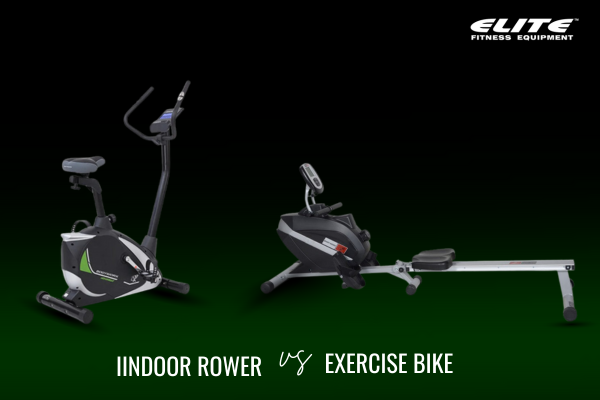
Cardio equipment, including commercial treadmills, stationary bikes, rowing machines, stair climbers, elliptical bikes and cross-trainers
-
Gym flooring, matting, and protective surfaces used in your facility
-
Recovery equipment, such as vibration platforms and massage tools, used for member services
-
Digital signage and display systems are used to enhance the member experience
-
Office and reception equipment directly related to running your facility
Always retain purchase invoices, delivery receipts, and installation records. The ATO (Australian Taxation Office) requires that you demonstrate the asset was first installed and ready for use within the relevant financial year.
4. The Case for Equipment Finance
Gym equipment finance Australia options exist specifically to bridge this gap, and in many circumstances, they do not compromise your ability to claim tax deductions.
The most commonly used financing structures for commercial fitness equipment include chattel mortgages, hire purchase agreements, equipment leases, and instalment plans offered directly by suppliers or specialist finance providers. Each structure has different accounting and tax implications, and the right choice depends on your business's GST registration status, tax position, and cash flow profile.
Common Finance Options for Gym Owners:
-
Chattel Mortgage
Under a chattel mortgage, the lender provides funds to purchase the equipment, and the equipment is used as security. The gym owner takes immediate ownership of the asset, which means the instant asset write-off may be claimable in the year of purchase, subject to the usual eligibility criteria. Interest payments and depreciation may also be deductible.
-
Hire Purchase
A hire purchase arrangement allows the gym owner to use the equipment immediately while making regular payments over an agreed term. Ownership transfers at the end of the agreement. The tax treatment is similar to a chattel mortgage, where the write-off or depreciation may be claimable from the point the equipment is first used in the business.
-
Equipment Lease
Lease payments are typically deductible as a business expense in the year they are incurred, but the instant asset write-off does not apply in the same way. Speak with your accountant about which structure best suits your situation.
-
Supplier Instalment Plans
Some commercial fitness equipment suppliers offer direct instalment plans, which allow you to spread payments over 3 to 12 months. This can be an effective way to manage cash flow while still acquiring the equipment before the EOFY deadline.
Always confirm with your registered tax agent or accountant before entering into any finance agreement for tax purposes. The deductibility of financed equipment is not automatic and depends on the specific structure of the arrangement.
Purchasing a single new gym machine may improve one member's experience. Redesigning your strength floor with a 3D gym layout and modern equipment definitely transforms the experience for everyone. It signals to incoming members that your facility is a professional one compared to your competitors.
New equipment does more than reduce taxes. It directly impacts how members experience your gym.
Key upgrades that bring retention:
-
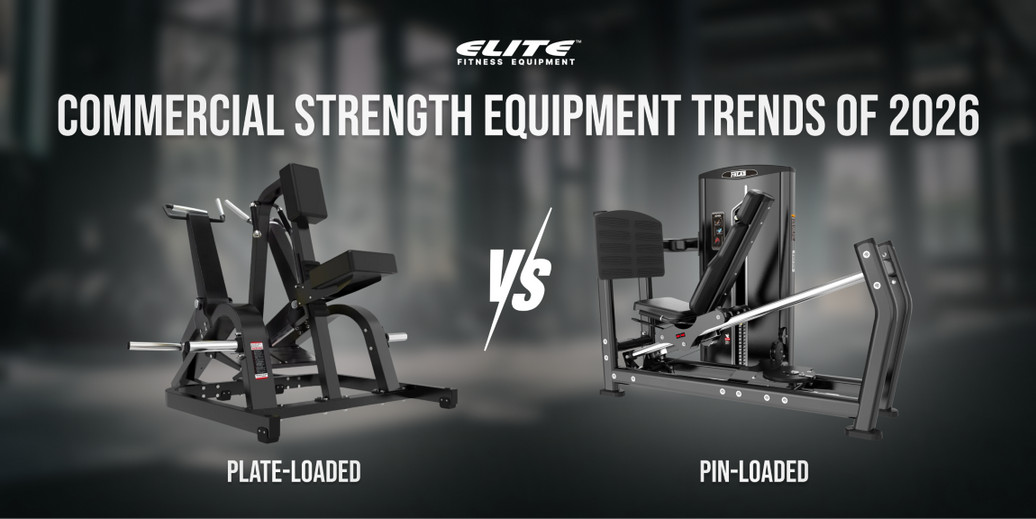
Plate-loaded and pin-loaded strength machines
-
Functional training rigs and cable systems
-
Cardio upgrades with modern consoles
-
Free weight zones with improved layouts
Members notice:
-
Better training variety
-
Reduced wait times
-
Cleaner, modern environments
At Elite Fitness Equipment Australia, we have been a trusted commercial fitness equipment supplier for over 40 years. Our heritage, industry relationships, and proven track record give our clients confidence that they are investing in durable, high-quality equipment backed by reliable after-sales support.
Frequently Asked Questions (FAQs)
Q1. Can I claim the Instant Asset Write-Off on commercial gym equipment if I use equipment finance?
In many cases, yes. If you use a chattel mortgage or hire purchase agreement to fund the equipment purchase, you may still be eligible to claim the instant asset write-off in the year the equipment is first installed and ready for use. The deductibility depends on the structure of your financial arrangement and your business's tax position. Operating leases are treated differently. Always consult a registered tax agent before proceeding.
Q2. How many pieces of equipment can I claim under the $20,000 Instant Asset Write-Off?
There is no limit on the number of individual assets you can claim. The $20,000 threshold applies on a per-asset basis, not per financial year. This means a gym owner who purchases ten strength machines at $18,500 each can potentially claim the instant write-off on all ten, provided each machine meets the eligibility criteria and is installed ready for use before 30 June 2026.
Q3. What if my commercial gym equipment costs more than $20,000 per item?
Assets costing $20,000 or more are not eligible for the Instant Asset Write-Off. However, they are not excluded from tax benefits entirely. These assets are placed into the small business simplified depreciation pool and depreciated at 15% in the first year and 30% per year thereafter. If your pool balance falls below $20,000 at the end of the income year, the remaining balance can be fully written off. This still represents a meaningful tax advantage over time.
Q4. Do I need to have the gym equipment physically installed by June 30, or just purchased?
According to the ATO, the asset must be first used or installed ready for use by 30 June 2026 to qualify for the 2025–26 IAWO. Simply having a purchase order or invoice dated before 30 June is not sufficient. The equipment must be delivered, assembled, and in a state where it could reasonably be used for its intended business purpose by the deadline. Plan your equipment orders well in advance to account for delivery and installation lead times.
Q5. Is second-hand commercial gym equipment eligible for the Instant Asset Write-Off?
Yes, second-hand assets can qualify for the Instant Asset Write-Off under the current rules, provided they meet all other eligibility criteria.
Q6. What records do I need to keep to claim commercial equipment as a business tax deduction in Australia?
The ATO requires you to maintain adequate records to support your claim. This typically includes: a tax invoice or receipt confirming the purchase price and date; delivery or installation documentation confirming the asset was first used or ready for use within the relevant financial year; records demonstrating the asset is used for a taxable business purpose; and any finance agreements, if applicable. Keep these records for at least five years from the date of lodgement of your tax return.
Q7. How do I choose the right commercial fitness equipment supplier before EOFY?
Choosing the right commercial fitness equipment supplier involves more than comparing price lists. Look for suppliers with a proven track record in commercial gym fitouts across Australia, transparent warranty policies, after-sales service and maintenance support, and the ability to deliver and install equipment within your required timeframe. Elite Fitness Equipment Australia has over 40 years of experience supplying commercial gym equipment to hotels, universities, corporate wellness facilities, personal training studios, and full-service health clubs across Australia.
Q8. Can gym flooring be claimed as a business tax deduction?
Gym flooring like rubber tiles, rolled rubber, and specialised impact-absorbing surfaces installed in your facility for business use is generally considered a depreciating asset and may be eligible for the Instant Asset Write-Off if each item or section falls under the $20,000 threshold. Seek advice from your accountant for your specific circumstances.
Q9. How long does it typically take for commercial gym equipment to be delivered across Australia?
Delivery timeframes vary by supplier and product. In-stock items from major commercial fitness equipment suppliers in Australia can typically be delivered within 2–5 business days for metropolitan areas. For more information, our support team is always standing by to help.
Q10. Is investing in gym equipment a good business decision even without the tax benefit?
Yes. While the tax benefit significantly improves the economics of a facility upgrade, the underlying business case stands independently. Quality commercial fitness equipment improves member satisfaction and retention, reduces maintenance costs compared to ageing equipment, and positions your facility competitively in a market where members have abundant choice. And therefore he tax benefit accelerates the return on investment, not just creates it.
Ready to upgrade before June 30?
Call Elite Fitness Equipment Australia team on 1300354833 today to discuss your facility's requirements, request a quote on commercial gym equipment for sale, or explore finance options suited to your business. Our experienced consultants are here to help you make the most of EOFY returns.





Leave a comment